Researchers in the United Kingdom say a study on eyesight shows diet and environmental factors are more important than genetics in lowering risk of cataracts.
Eating an apple a day may keep the doctor away, but eating oranges might do the same for cataracts.
In a study published today in the journal Ophthalmology, researchers in the United Kingdom said a higher dietary intake of vitamin C might significantly reduce the risk of developing cataracts.
The study, led by scientists at King's College London, is the first to conclude that dietary and environmental factors play a larger role than genetics in the development of cataracts.
"The findings of this study could have significant impact, particularly for the aging population globally by suggesting that simple dietary changes such as increased intake of fruits and vegetables as part of a healthier diet could help protect them from cataracts," Dr. Chris Hammond, professor of ophthalmology at King's College, consultant eye surgeon and lead author of the study, said in a statement.
Read More: What Is a Cataract? »
The researchers estimated genetic factors account for 35 percent of the difference in cataract progression. Environment and lifestyle account for 65 percent.
To study the impact diet has on cataracts, the researchers tracked the progression of the eye condition in 324 pairs of female twins from the United Kingdom.
The scientists examined digital images of the women's eye lenses when they were about 60 years old. They then studied the same type of images 10 years later.
They kept track of the women's intake of vitamins A, B, C, D, and E. They also tracked their intake of copper, manganese, and zinc using a food questionnaire.
The researchers said the women who ingested more vitamin C initially had a 20 percent reduced risk of developing cataracts. After 10 years, that risk had decreased by 33 percent.
The researchers noted that there was little risk reduction in the women who took vitamin supplements. Instead the preventative effects appeared to be obtained only by eating foods rich in vitamin C.
Dr. Ravi D. Goel, an ophthalmologist from New Jersey who is also a clinical instructor at Wills Eye Hospital in Pennsylvania, said the study provides helpful information for patients and doctors.
"These are novel findings for patients going forward," Goel, a spokesperson for the American Academy of Ophthalmology, told Healthline. "This is a helpful tool for patient education."
Read More: Americans Spend Billions on Vitamins and Supplements That Don't Work »
Cataracts occur when the lens of the eye becomes cloudy due to oxidation over a long period of time.
The researchers said the fluids that bathe the eye are rich in vitamin C, which helps stop the lens from oxidizing.
The dietary intake of vitamin C helps prevent cataracts by increasing the amount of this vitamin in the eye fluid.
The researchers added that smoking and diabetes also are risk factors for certain kinds of cataracts, so a balanced diet and healthy lifestyle are important.
"Healthy diets are always an advantage for patients," added Goel.
Goel also said vitamin C has already been shown to help slow the progression of age-related macular degeneration.
This latest information on cataracts adds to vitamin C's attributes. "It helps overall eye health," he said.
The researchers did note that their observational study has its limitations as it only involved women who were aged 60 years and older.
However, the researchers believe the information could also be relevant for male patients.
Cataracts are the leading cause of blindness in the world, affecting about 20 million people, according to statistics from the World Health Organization (WHO). Cataracts also affect 24 million Americans over the age of 40.
The condition can cause blurry vision, glare, poor night vision, and sensitivity to light.
Initially, better lighting and glasses may help ease some of the symptoms, but as cataracts progress surgery is sometimes needed.
Read More: Diabetes and Blurry Vision: What You Need to Know »
Caring for your mental well-being is always important, but especially so right now, when anxiety levels surrounding COVID-19 are high. Long-term stress and anxiety can be detrimental for both your physical and mental health.
Here's why: Cortisol (otherwise known as the stress hormone) is made in the adrenal glands. It's elevated when we experience heightened anxiety or stress, and it's lowered when we're in a relaxed state. When cortisol levels rise, all of the body's energy goes into handling the stressor instead of regulating other bodily functions like the digestive and immune systems, for example.
The analogy I like to use is being chased by a lion. If you're being chased by a lion, you're not worried about catching a cold or having a bowel movement. So normally, cortisol helps to regulate weight, appetite, body metabolism, blood pressure and glucose, but when you're under chronic stress, you can experience increased anxiety or depression, headaches, memory problems, brain fog, digestive issues, a weakened immune system, weight gain, insomnia, pre-diabetes and more.
But I know that managing anxiety is easier said than done, so I've laid out several ways to help you lower cortisol levels and maintain a calm state of mind during this uncertain time in our lives. And these aren't pandemic-specific tips—they're lifestyle changes that you can carry with you throughout your life.
Eat a whole-food, plant-based diet. An unhealthy diet filled with added sugars and processed foods will raise cortisol levels and put you at a greater risk for high blood pressure and diabetes. Make sure you're getting enough fiber (fruits and vegetables are great sources) because fiber helps to regulate gut bacteria, which in turn helps to regulate hormones. Diet is really important—it's 80% of the battle.
If needed, add supplements. Supplements shouldn't replace a well-balanced diet, and should be monitored by a doctor. But if recommended, the most important mineral we use in our clinical practice is magnesium, which helps to regulate cortisol levels. Vitamin B12, folic acid, and Vitamin C can also help support the metabolism of cortisol.
Take deep breaths. Several studies reveal the benefits of deep-breathing exercises for at least five minutes, three to five times a day. Research shows that it helps to lower cortisol levels, ease anxiety and depression, and improve memory. To get started, try using a deep-breathing app like Insight Timer or Calm.
Reduce your caffeine intake. Those with chronic stress can experience something that's colloquially called adrenal fatigue, which occurs when cortisol levels are way off balance. It makes them extremely tired, and so they often rely on caffeine to get through the day. It's a vicious cycle: the caffeine wears off and they're exhausted again. Caffeine can raise cortisol levels and it doesn't address the root of the problem, which is balancing hormone levels.
Get adequate sleep. To allow the body to heal, we need at least seven to eight hours of sleep. It's so important, yet often gets put on the back burner amid our busy lives.
Exercise regularly. Thirty to 50 minutes daily is the standard that's recommended by the American College of Lifestyle Medicine. And walking your dog doesn't count—you should be pushed to a limit where you can have a conversation while exercising but not be able to sing.
Write in a journal. Sometimes just getting thoughts down on paper is helpful. If they're happy thoughts, you can relive them, and if they're stressful thoughts, you can purge them so you're not going over them continuously in your head.
Indulge in hobbies. Playing an instrument, drawing, crafting, gardening—participating in activities that bring you joy are helpful distractions from stressful thoughts and situations.
Go outside. Simply being in nature among trees, flowers, birds, and plants may have a calming effect on the mind. If you can, take a walk around the block, sit on your front porch. As the weather gets warmer, it will become easier to take breaks and spend time outdoors.
Don't lead with fear. Putting fear first can be distracting. It allows us to make inappropriate, impulsive decisions we wouldn't make otherwise. Being mindful, taking deep breaths—taking part in the above tips—will help you to lead with positivity.
You don't need to tackle all of these tips at once—I know that can seem overwhelming. The best way to make lasting, positive changes is to do so little by little. Incorporate one or two into your routine at a time until they become habit, and slowly add in others. Slow and steady often wins the race.
To make an appointment with a Henry Ford doctor, call 1-800-436-7936. Learn more about our virtual care options and our commitment to safety.
Want more advice from our wellness experts? Subscribe today to receive weekly emails of our latest tips.
Dr. M. Elizabeth Swenor leads the functional and lifestyle medicine team and sees patients at Henry Ford Medical Center in Bloomfield Township. Learn more about Dr. Swenor and read her articles.
Whether in the form of a fizzy drink or flavored lozenges, cold and flu preventative supplements almost always highlight vitamin C as one of their key ingredients. So, what's so magical about vitamin C? Also known as ascorbic acid, vitamin C is critical to living healthily. Since the human body cannot spontaneously generate this nutrient, vitamin C must instead be absorbed from outside sources, such as vitamin supplements or foods that are naturally rich in it.
What Does Vitamin C Do?
Commonly found in cold and flu preventative supplements, vitamin C strengthens and speeds up immune system functionality. Though research does not indicate that vitamin C intake alone can prevent the onset of cold or flu, adequate daily intake may shorten the duration of an infection or lessen the severity of symptoms.
Vitamin C is crucial for the maintenance of well being. For example, it plays a role in wound healing and helps maintain many essential body tissues. It also acts as a potent antioxidant and can repair damage from free radicals, which are linked to aging effects, and disease vulnerability. Additionally, vitamin C can also prevent anemia, since it helps the body increase absorption of dietary iron, another vital mineral that the body cannot spontaneously create.
Foods that contain high concentrations of vitamin C have been linked with a lower risk of cardiovascular disease, like heart attack and stroke. Vitamin C can also increase levels of nitric oxide, a compound that widens blood vessels and, in turn, lowers blood pressure. In addition, regular intake of vitamin C, along with other vitamins, has been linked to a decreased risk for developing age-related cataracts, a leading cause of visual impairment in the United States.
Common Sources of Vitamin C
Vitamin C can be easily obtained through the many different foods, including:
Citrus fruits and juices (orange, grapefruit, lemon, lime and tangerine)
Berries
Melons
Mangoes
Kiwi
Tomato
Broccoli
Red peppers
Spinach
Squash
Potatoes
Cooking these foods may result in the loss of some of the vitamin content, so it is ideal to ingest them raw, either whole or juiced. Nowadays, there are also numerous packaged food products, like cereals, that have been enriched and fortified with vitamin C, so that the nutrient can be easily obtained.
Vitamin C may also be labeled as "L-ascorbic acid" in supplement form, and most over-the-counter multivitamins contain the recommended daily amount of the vitamin. While it is a good source when an individual is in need of a vitamin C boost, supplements are not meant to replace a diet rich in naturally derived vitamin C.
What Happens When You Have Too Much — or Too Little — Vitamin C?
Vitamin C is a water-soluble vitamin that can be easily flushed out of the body via urination when it is not needed. Therefore, if the main source of vitamin C is from naturally occurring foods, it is near-impossible for excess vitamin C to produce side effects. However, taking excessive concentrated vitamin C supplements may lead to diarrhea or stomach upset.
Since vitamin C-rich foods are so readily available nowadays, symptoms of inadequate vitamin C intake are also rare in the United States. However, malnourished individuals can experience symptoms of vitamin C deficiency over time, including:
Weakness
Fatigue
Anemia
Easy bruising
Joint pain
Skin breakdown
Weakened tooth enamel
Gum inflammation
Severe vitamin C deficiency is referred to as scurvy. Scurvy can be easily treated with increased dietary or supplemental vitamin C. Since vitamin C is crucial in the detoxification of the body, a lack of vitamin C can compromise the immune system and make an individual more susceptible to diseases and infections. Individuals with insufficient vitamin C may find that it takes longer than usual to recover from a cold or a physical wound.
Daily Dosage Recommendations:
The daily dosage recommendation for vitamin C is different for everyone, depending on factors such as gender, age, lifestyle and current health condition. The recommended daily dosage for vitamin C is at least 75 mg daily for women and 90 mg for men. Since people who are pregnant, breast feeding, smoking or using oral contraceptives have a lower blood level of vitamin C than others, larger doses of vitamin C may be needed to achieve optimal results in these individuals. Those who have prior or current medical conditions may also require bigger or smaller dosage levels, as recommended by their healthcare providers.
Resource Links:
"Vitamin C" via MedlinePlus
"Vitamin C and Infections" via MDPI
"Extra Dose of Vitamin C Based on a Daily Supplementation Shortens the Common Cold: A Meta-Analysis of 9 Randomized Controlled Trials" via Hindawi, BioMed Research International
"Vitamin C" via National Institutes of Health
"Scurvy" via U.S. Department of Health & Human Services, National Institutes of Health
"Dietary intake and blood concentrations of antioxidants and the risk of cardiovascular disease, total cancer, and all-cause mortality: a systematic review and dose-response meta-analysis of prospective studies" via The American Journal of Clinical Nutrition
"Dietary vitamin and carotenoid intake and risk of age-related cataract" via The American Journal of Clinical Nutrition
"Cardiovascular System" via Department of Anatomy, Seoul National University College of Medicine (via Springer)
Vitamin C is an essential nutrient required for the maintenance of skin, blood vessels, bones and cartilage, and wound healing. (1,2)
Vitamin C also helps protect cells against oxidative stress, which in turn provides protection against certain diseases, including cancer. (1,3)
Vitamin C, like zinc and vitamin A, also helps support your immune system. (4,5,6)
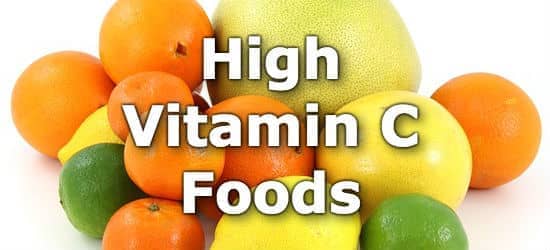
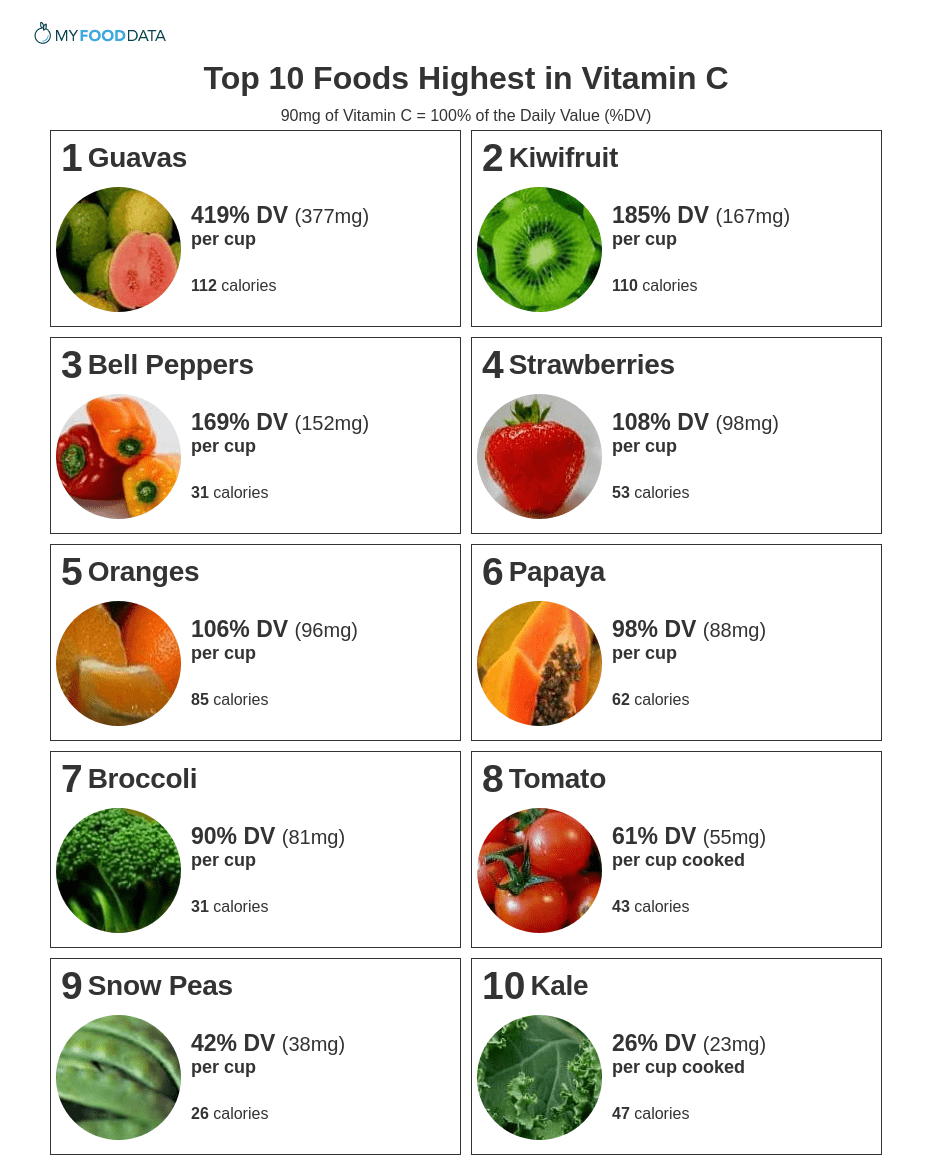
High vitamin C foods include guavas, bell peppers, kiwifruit, strawberries, oranges, papayas, broccoli, tomatoes, kale, and snow peas. The current daily value (% DV) for vitamin C is 90mg. (7)
Below is a list high vitamin C foods ranked by a common serving size, use the nutrient ranking of over 200 foods high in vitamin C to see the foods highest in vitamin C by nutrient density (per gram), or see rankings of fruits high in vitamin C, and vegetables high in vitamin C.
Introduction
High Vitamin C Foods
Printable
Vitamin C Foods by Nutrient Density (Vitamin C per Gram)
Other Vitamin C Rich Foods
About the Data
Nutrient Ranking Tool
Related
Feedback
References
#1: Guavas
Vitamin C per Cup
Vitamin C per 100g
Vitamin C per 200 Calories
377mg (419% DV)
228mg (254% DV)
671mg (746% DV)
#2: Kiwifruit
Vitamin C per Cup
Vitamin C per 100g
Vitamin C per 200 Calories
167mg (185% DV)
93mg (103% DV)
304mg (338% DV)
#3: Bell Peppers
Vitamin C per Cup
Vitamin C per 100g
Vitamin C per 200 Calories
152mg (169% DV)
128mg (142% DV)
982mg (1091% DV)
#4: Strawberries
Vitamin C per Cup
Vitamin C per 100g
Vitamin C per 200 Calories
98mg (108% DV)
59mg (65% DV)
368mg (408% DV)
#5: Oranges
Vitamin C per Cup
Vitamin C per 100g
Vitamin C per 200 Calories
96mg (106% DV)
53mg (59% DV)
226mg (252% DV)
#6: Papaya
Vitamin C per Cup
Vitamin C per 100g
Vitamin C per 200 Calories
88mg (98% DV)
61mg (68% DV)
283mg (315% DV)
#7: Broccoli
Vitamin C per Cup
Vitamin C per 100g
Vitamin C per 200 Calories
81mg (90% DV)
89mg (99% DV)
525mg (583% DV)
#8: Tomato
Vitamin C per Cup Cooked
Vitamin C per 100g
Vitamin C per 200 Calories
55mg (61% DV)
23mg (25% DV)
253mg (281% DV)
#9: Snow Peas
Vitamin C per Cup
Vitamin C per 100g
Vitamin C per 200 Calories
38mg (42% DV)
60mg (67% DV)
286mg (317% DV)
#10: Kale
Vitamin C per Cup Cooked
Vitamin C per 100g
Vitamin C per 200 Calories
23mg (26% DV)
18mg (20% DV)
99mg (110% DV)
See All 200 Foods High in Vitamin C
Next ➞
Printable One Page Sheet
Click to Print
Vitamin C Foods by Nutrient Density (Vitamin C per Gram)
Other Vitamin C Rich Foods
About the Data
Data for the curated food lists comes from the USDA Food Data Central Repository.
You can check our data against the USDA by clicking the (Source) link at the bottom of each food listing.
Note: When checking data please be sure the serving sizes are the same. In the rare case you find any difference, please contact us and we will fix it right away.
Foods High in Vitamin C
Foods Low in Vitamin C
Vegetables High in Vitamin C
Fruits High in Vitamin C
Vegetarian Foods High in Vitamin C
Nuts High in Vitamin C
Beans High in Vitamin C
Dairy High in Vitamin C
Breakfast Cereals High in Vitamin C
Fast Foods High in Vitamin C
View more food groups with the nutrient ranking tool, or see ratios with the nutrient ratio tool.
Vitamin E Foods
Beta Carotene Food Sources
High Lycopene Foods
High Iron Foods
High Potassium Foods
feedback
Data Sources and References
Mitochondria, Energy and Cancer: The Relationship with Ascorbic Acid. J Orthomol Med. 2010; 25(1): 29–38.
Office of Dietary Supplements Fact Sheet: Vitamin C
L-ascorbic acid (vitamin C) induces the apoptosis of B16 murine melanoma cells via a caspase-8-independent pathway. Cancer Immunol Immunother. 2003;52:693–698.
Vitamin C and Immune Function Nutrients. 2017 Nov; 9(11): 1211.
The role of vitamin A and related retinoids in immune function. Nutr Rev. 1998 Jan;56(1 Pt 2):S38-48.
Zinc in Human Health: Effect of Zinc on Immune Cells Mol Med. 2008 May-Jun; 14(5-6): 353–357. Published online 2008 Apr 3. doi: 10.2119/2008-00033.Prasad.
FDA Daily Values Guidelines
U.S. Agricultural Research Service Food Data Central
MyFoodData provides nutrition data tools and articles to help you organize and understand the foods you eat. Read more...
Vitamin C plays a key role in supporting a healthy immune system1-4. Its importance in immunity is further supported by studies with vitamin C supplements, suggesting that it may reduce the duration and severity of cold symptoms in some people.7 Vitamin C is thought to have an anti-histamine effect,1,4,5 and may support lung function.1,6 Furthermore, the absorption of iron found in plant-based foods may increase when consumed with vitamin C.1-4
Vitamin C is an antioxidant found in food and is necessary for collagen formation, an essential component of skin, bones, gums, and cartilage.1-4 Vitamin C also helps regenerate vitamin E into its antioxidant form providing further protection against damage.1,3
Fruits and vegetables supply about 90 percent of the vitamin C in the diets of the general population.3 Oranges and 100% orange juice are one of the richest dietary sources of vitamin C8 and citrus juices are one of the most cost-effective ways to get vitamin C in the diet.16 Grapefruit juice, kale, kiwi, and cauliflower also have significant amounts of vitamin C.
Between 1999 and 2018, vitamin C consumption dropped by 23 percent on average and this was largely driven by a 48 percent decline in 100% fruit juice consumption over that same time period.15 An 8-ounce glass of 100% orange juice is an excellent source of vitamin C, containing more than 100% of the recommended Daily Value.*
Citrus juices, such as Florida OJ, are reported to be the largest contributor of vitamin C in the diet.9
Life Stage Benefits
Below are age-specific benefits vitamin C provides the body:
Kids, Teens &Young Adults
Helps with the healing of cuts and scrapes.
Supports developing bones and tissues.
Supports a healthy immune system to help a body in its natural fight against infection.
Prenatal
Helps baby's developing bones and tissues.
Iron needs increase during pregnancy,1 and vitamin C may promote the absorption of plant-based iron when consumed together.1-4
Vitamin C needs greatly increase during breastfeeding.1
Vitamin C intake by mothers may influence the amount of vitamin C in breast milk;10 for example, drinking 3-5 servings of 100% orange juice per week doubled breast milk vitamin C concentrations.11
Adults
Vitamin C's antioxidant activity helps to mitigate inflammation, which is associated with many chronic diseases.
Vitamin C needs increase during wound healing.13
May support cardiovascular health.2-4
Plays a role in healthy aging of the brain, particularly in elderly with insufficient vitamin C status.2
Diets low in fat and containing fiber, vitamin A or vitamin C may reduce the risk of some types of cancers – A disease associated with many factors.14
Learn more about the benefits Florida Orange Juice provides on the Nutrition Benefits page.
*Values based on a 2000 calorie diet. FDA rounding rules applied when calculating percent DV based upon 2018 rules. Information is not intended for labeling food in packaged form. Nutrient values may vary based on brand or product types.
References
Vitamin C. Food and Nutrition Board, Institute of Medicine. Dietary Reference Intakes for Vitamin C, Vitamin E, Selenium, and Carotenoids. Washington, D.C.: National Academy Press; 2000:95-185.
Vitamin C. Linus Pauling Institute Micronutrient Information Center. Oregon State University.
Lykkesfeldt et al. Adv Nutr 2014; 5:16-18.
Vitamin C. Health Professionals Fact Sheet. Office of Dietary Supplements. National Institutes of Health.
Chatterjee et al. Annals of the New York Academy of Sciences. 1975;258(1):24-47.
Hemila, BMJ Open. 2013;3:002416.
Hemila et al. Cochrane Database Syst Rev. 2013(1):Cd000980.
USDA National Nutrient Database for Standard Reference, Release 28 (slightly revised). US Department of Agriculture, Agricultural Research Service, Nutrient Data Laboratory; May 2016.
Chun et al. J Nutr 2010;140:317-324.
Bravi et al. Am J Clin Nutr 2016;104:646-62.
Daneel-Otterbech et al. Am J Clin Nutr. 2005; 81:1088-1093.
Dermatologic Therapy. 2007;20:314-321.
The A.S.P.E.N. Adult Nutrition Support Core Curriculum, 2nd Ed. American Society of Parental and Enteral Nutrition. 2012.
A Food Labeling Guide; Guidance for Industry. FDA Center for Food Safety and Applied Nutrition. January 2013.
Brauchla et al. Nutrients. 2021;13(2):420.
Brauchla et al. Public Health Nutr. 2021; Feb 8:1-7.
Whether in the form of a fizzy drink or flavored lozenges, cold and flu preventative supplements almost always highlight vitamin C as one of their key ingredients. So, what's so magical about vitamin C? Also known as ascorbic acid, vitamin C is critical to living healthily. Since the human body cannot spontaneously generate this nutrient, vitamin C must instead be absorbed from outside sources, such as vitamin supplements or foods that are naturally rich in it.
What Does Vitamin C Do?
Commonly found in cold and flu preventative supplements, vitamin C strengthens and speeds up immune system functionality. Though research does not indicate that vitamin C intake alone can prevent the onset of cold or flu, adequate daily intake may shorten the duration of an infection or lessen the severity of symptoms.
Vitamin C is crucial for the maintenance of well being. For example, it plays a role in wound healing and helps maintain many essential body tissues. It also acts as a potent antioxidant and can repair damage from free radicals, which are linked to aging effects, and disease vulnerability. Additionally, vitamin C can also prevent anemia, since it helps the body increase absorption of dietary iron, another vital mineral that the body cannot spontaneously create.
Foods that contain high concentrations of vitamin C have been linked with a lower risk of cardiovascular disease, like heart attack and stroke. Vitamin C can also increase levels of nitric oxide, a compound that widens blood vessels and, in turn, lowers blood pressure. In addition, regular intake of vitamin C, along with other vitamins, has been linked to a decreased risk for developing age-related cataracts, a leading cause of visual impairment in the United States.
Common Sources of Vitamin C
Vitamin C can be easily obtained through the many different foods, including:
Citrus fruits and juices (orange, grapefruit, lemon, lime and tangerine)
Berries
Melons
Mangoes
Kiwi
Tomato
Broccoli
Red peppers
Spinach
Squash
Potatoes
Cooking these foods may result in the loss of some of the vitamin content, so it is ideal to ingest them raw, either whole or juiced. Nowadays, there are also numerous packaged food products, like cereals, that have been enriched and fortified with vitamin C, so that the nutrient can be easily obtained.
Vitamin C may also be labeled as "L-ascorbic acid" in supplement form, and most over-the-counter multivitamins contain the recommended daily amount of the vitamin. While it is a good source when an individual is in need of a vitamin C boost, supplements are not meant to replace a diet rich in naturally derived vitamin C.
What Happens When You Have Too Much — or Too Little — Vitamin C?
Vitamin C is a water-soluble vitamin that can be easily flushed out of the body via urination when it is not needed. Therefore, if the main source of vitamin C is from naturally occurring foods, it is near-impossible for excess vitamin C to produce side effects. However, taking excessive concentrated vitamin C supplements may lead to diarrhea or stomach upset.
Since vitamin C-rich foods are so readily available nowadays, symptoms of inadequate vitamin C intake are also rare in the United States. However, malnourished individuals can experience symptoms of vitamin C deficiency over time, including:
Weakness
Fatigue
Anemia
Easy bruising
Joint pain
Skin breakdown
Weakened tooth enamel
Gum inflammation
Severe vitamin C deficiency is referred to as scurvy. Scurvy can be easily treated with increased dietary or supplemental vitamin C. Since vitamin C is crucial in the detoxification of the body, a lack of vitamin C can compromise the immune system and make an individual more susceptible to diseases and infections. Individuals with insufficient vitamin C may find that it takes longer than usual to recover from a cold or a physical wound.
Daily Dosage Recommendations:
The daily dosage recommendation for vitamin C is different for everyone, depending on factors such as gender, age, lifestyle and current health condition. The recommended daily dosage for vitamin C is at least 75 mg daily for women and 90 mg for men. Since people who are pregnant, breast feeding, smoking or using oral contraceptives have a lower blood level of vitamin C than others, larger doses of vitamin C may be needed to achieve optimal results in these individuals. Those who have prior or current medical conditions may also require bigger or smaller dosage levels, as recommended by their healthcare providers.
Resource Links:
"Vitamin C" via MedlinePlus
"Vitamin C and Infections" via MDPI
"Extra Dose of Vitamin C Based on a Daily Supplementation Shortens the Common Cold: A Meta-Analysis of 9 Randomized Controlled Trials" via Hindawi, BioMed Research International
"Vitamin C" via National Institutes of Health
"Scurvy" via U.S. Department of Health & Human Services, National Institutes of Health
"Dietary intake and blood concentrations of antioxidants and the risk of cardiovascular disease, total cancer, and all-cause mortality: a systematic review and dose-response meta-analysis of prospective studies" via The American Journal of Clinical Nutrition
"Dietary vitamin and carotenoid intake and risk of age-related cataract" via The American Journal of Clinical Nutrition
"Cardiovascular System" via Department of Anatomy, Seoul National University College of Medicine (via Springer)
It's common practice to take vitamin C with iron supplements to help with absorption.
New research says there's not enough evidence to definitively support a need to take vitamin C with iron in people with iron deficiency anemia.
You should still avoid taking iron with any food, antacids, or calcium to achieve the best absorption.
According to a new study, people with iron deficiency anemia (IDA) might not need to take supplemental vitamin C along with oral iron supplements to help with absorption, despite longstanding advice to do so.
The standard practice for managing IDA has been for a person to increase dietary sources of iron and take an iron supplement, as well as supplemental vitamin C or foods rich in vitamin C, Nicole DeMasi Malcher, MS, RDN, CDCES, registered dietitian and founder of DeMasi Nutrition, tells Verywell. But now, Malcher confirms that recent data "suggests vitamin C might not be necessary to absorb non-heme [not animal based] iron supplements in the body."
What Is Iron Deficiency Anemia (IDA)?
Iron deficiency anemia (IDA) occurs when the body does not have enough iron. It can be diagnosed with a simple blood test. If untreated, IDA can cause a variety of symptoms, including chronic fatigue, headaches, and an irregular heartbeat.
Anyone can become iron deficient, but some people are more likely to develop the condition. For example, pregnant people are more at risk for developing IDA because iron needs increase throughout pregnancy.
Iron and Vitamin C
Traditionally, healthcare providers have suggested that people take iron along with vitamin C to help create an acidic gastrointestinal environment, which is thought to help dissolve the iron adequately for absorption.
The new study, which was published in the November issue of the Journal of the American Medical Association, notes that there has not been a randomized clinical trial (RCT) to assess whether vitamin C supplements are necessary for patients with IDA taking iron tablets.
The Study
In the randomized clinical trial, 440 adult participants with newly-diagnosed IDA were randomly assigned to two groups. Participants in one group took oral iron supplements (in the form of ferrous succinate) plus vitamin C, and participants in the other took only oral iron supplements.
The participants who were in the iron-only group took 100-milligram (mg) iron tablets every 8 hours for three months. The participants in the iron-vitamin C group took the same dose of iron supplement plus an additional 200 mg of vitamin C.
During the several months of treatment, the researchers periodically evaluated blood samples taken from the subjects to check their iron levels.
Based on their findings, the researchers concluded that taking oral iron supplements alone provided hemoglobin level and iron storage recovery efficacy equivalent to that of oral iron supplemented with vitamin C.
It does not appear that the vitamin C boost offered benefits in terms of iron absorption.
The only possible benefit the researchers observed was that vitamin C might have a positive effect on changes in mean corpuscular volume (MCV)—the measure of the mean size of red blood cells. The researchers thought that the finding could be important because patients with IDA typically have lower than normal MCV values.
Iron Supplements
Iron supplements have been used as a standard practice for treating iron deficiency anemia. The logic behind supplementing with higher doses of iron is that the nutrition gap is filled and the deficiency can be resolved.
There are different forms of iron supplements—including ferrous succinate, the kind used in the recent study—that have been shown to be effective.
While the study suggests that combining iron supplements with vitamin C offers no clinical benefit in terms of iron absorption, other research has found otherwise.
In a 2019 article published in Geriatric Nursing, the author noted that in one study, taking 100 mg of vitamin C with a meal was found to increase iron absorption by 67%.
However, the dose matters when it comes to the data surrounding supplementation. In the recent study, "the participants took 100 mg of iron every 8 hours, which would be 300 mg per day total," Grace Goodwin Dwyer, MS, MA, RD, LDN, a registered dietitian based in Nashville, Tennessee, tells Verywell. "In contrast, people taking over-the-counter iron supplements are probably taking 30 to 60 mg per day if they're following the instructions on the packages on most major brands."
Dwyer says "it would be interesting to see in a follow-up study about how vitamin C applies to lower dosages, like many of our patients are taking."
Dietary Sources of Iron
While taking iron supplements is one way to treat IDA, including food sources of iron in your diet can also help you meet your needs.
There are two main types of iron that come from your diet:
Heme iron is found in foods like beef and seafood options
Non-heme iron is found in foods like vegetables, beans, and whole grains. Certain foods are also fortified with non-heme iron.
Heme iron appears to be better absorbed in the body than non-heme iron. Taking vitamin C with non-heme sources of iron may help maximize iron absorption with little risk.
Tips to Support Iron Absorption
If you're supplementing with iron, there are also some things you can do to help ensure that it's properly absorbed and used by your body—or at least, you can avoid doing things that would make it harder for your body to absorb and use the important mineral.
Take Iron Every Other Day
Data published in The Lancet in 2019 suggested that giving iron-depleted women daily iron supplements as divided doses reduced iron absorption. On the other hand, providing iron supplements in single doses on alternate days appeared to optimize iron absorption and might be a preferable dosing regimen.
Choose Your Dietary Sources Wisely
"If you're looking to boost iron absorption in your body through food, it's helpful to focus on animal sources," Dwyer says. This is because of the heme form of the iron that these foods contain. Red meat, chicken, and shellfish can be helpful additions to your diet.
If you follow a vegetarian or vegan lifestyle, know that while there are dietary iron sources that are animal-free, you may need to consider taking a supplement to prevent anemia.
Take Iron On An Empty Stomach
Iron is best absorbed when taken on an empty stomach with a full 8-ounce glass of water or orange juice. If you get an upset stomach, you can take your iron with food or immediately after meals; however, know that taking an iron supplement with food will decrease absorption to 40%.
Avoid Taking Iron With Phytate-rich and/or Polyphenol-rich Foods
You also need to be mindful of the foods and drinks you consume when you take your iron. Absorption of oral iron is inhibited by phytates (which are found in cereals and certain vegetables) and polyphenols (which are found in some vegetables, fruits, cereals, legumes, tea, coffee, and wine).
Tea has been shown to reduce iron absorption by 90%.
Do Not Take Antacids Or Calcium Supplements With Iron
Antacids or calcium supplements can decrease iron absorption and should not be taken at the same time as iron supplements. It is best to space doses of these products out. Take antacids or calcium 12 hours apart from your iron.
Ensure You Are Not Deficient in Copper
Copper is a mineral that plays a key role in helping the body absorb iron. If your copper levels are low, your body might have a hard time absorbing iron.
Consider The Pros and Cons of Taking Vitamin C With Iron
Data appears to be mixed when it comes to the benefits of taking vitamin C with iron to support absorption. If you do choose to take a vitamin C supplement, make sure that you know how much vitamin C is in the product you've chosen.
It appears that vitamin C needs to be taken in a dose of 200 mg to reap the potential benefit.
While taking supplemental vitamin C is low-risk, it's not risk-free. For example, if you don't tolerate the dose, you might experience gastrointestinal symptoms like nausea and diarrhea. You should also know that some prescription and over-the-counter (OTC) medications don't mix with vitamin supplements, including vitamin C. If you're considering trying a supplement, talk to your healthcare provider.
What This Means For You
If you have iron deficiency anemia, your provider might recommend that you increase sources of heme and non-heme iron in your diet, as well as take an iron supplement. But despite the standard practice, you may not need to pair iron with vitamin C to help with absorption. Talk to your doctor before starting any kind of vitamin supplement.
















:max_bytes(150000):strip_icc()/GettyImages-1220786488-44b7758ef95942f38b9d84ec59035ddc.jpg)